
Corrosion 101: Understanding Internal Pipe Corrosion
Overview
Internal pipe corrosion is one of the most prevalent and costly threats to infrastructure in commercial, industrial, and mission-critical environments. It leads to equipment failures, unplanned downtime, unnecessary expenditures, and life safety hazards. In layman’s terms, here are the primary causes of internal pipe corrosion and an outline of the impact corrosion has on piping as it relates your daily operations.
Corrosion is a natural process where refined metals return to their more stable oxide states. In piping systems, corrosion becomes a significant concern when it occurs internally, where it is traditionally difficult to detect and can progress unnoticed until significant damage and/or a failure occurs. Understanding the root causes of internal corrosion is the first step in developing a proactive maintenance strategy.
Common Causes of Internal Pipe Corrosion
Oxygen and Water Exposure
The presence of trapped air, dissolved oxygen in water, and water trapped in dry systems are common causes of internal corrosion, especially in fire sprinkler systems. Oxygen reacts with metal surfaces in the presence of water to form rust (iron oxide). This is a key concern in domestic water systems, chilled water loops, condenser water systems, and fire sprinkler piping.Microbiologically Influenced Corrosion (MIC)
MIC occurs when microorganisms, such as sulfate-reducing or iron-oxidizing bacteria, colonize pipe interiors. These bacteria create acidic or sulfur-rich environments that can greatly accelerate corrosion. MIC is particularly aggressive, often localized, and difficult to detect without specialized inspection tools.Flow Stagnation
Low or no flow conditions promote stratification, increased bacterial growth, and sediment deposition—all of which contribute to corrosion. Fire sprinkler systems and backup water lines are common sites for stagnation-induced corrosion.Chemical Imbalances
Improper water chemistry—such as low pH, high chloride content, or inadequate corrosion inhibitors—can lead to rapid internal degradation. Corrosive environments are often found in HVAC systems, cooling loops, and process piping where chemical treatment is mismanaged.Erosion-Corrosion
This occurs when high-velocity fluids remove protective oxide layers from pipe walls, exposing fresh metal surfaces to corrosive attack. It’s common in high-pressure systems and at bends, tees, or restrictions in piping.Galvanic Corrosion
When dissimilar metals are connected in a conductive solution (such as water), electrons flow from one metal to the other, corroding the more anodic material. Galvanic corrosion is common in mixed-metal piping systems or poorly designed retrofits, particularly where steel piping is connected to copper.


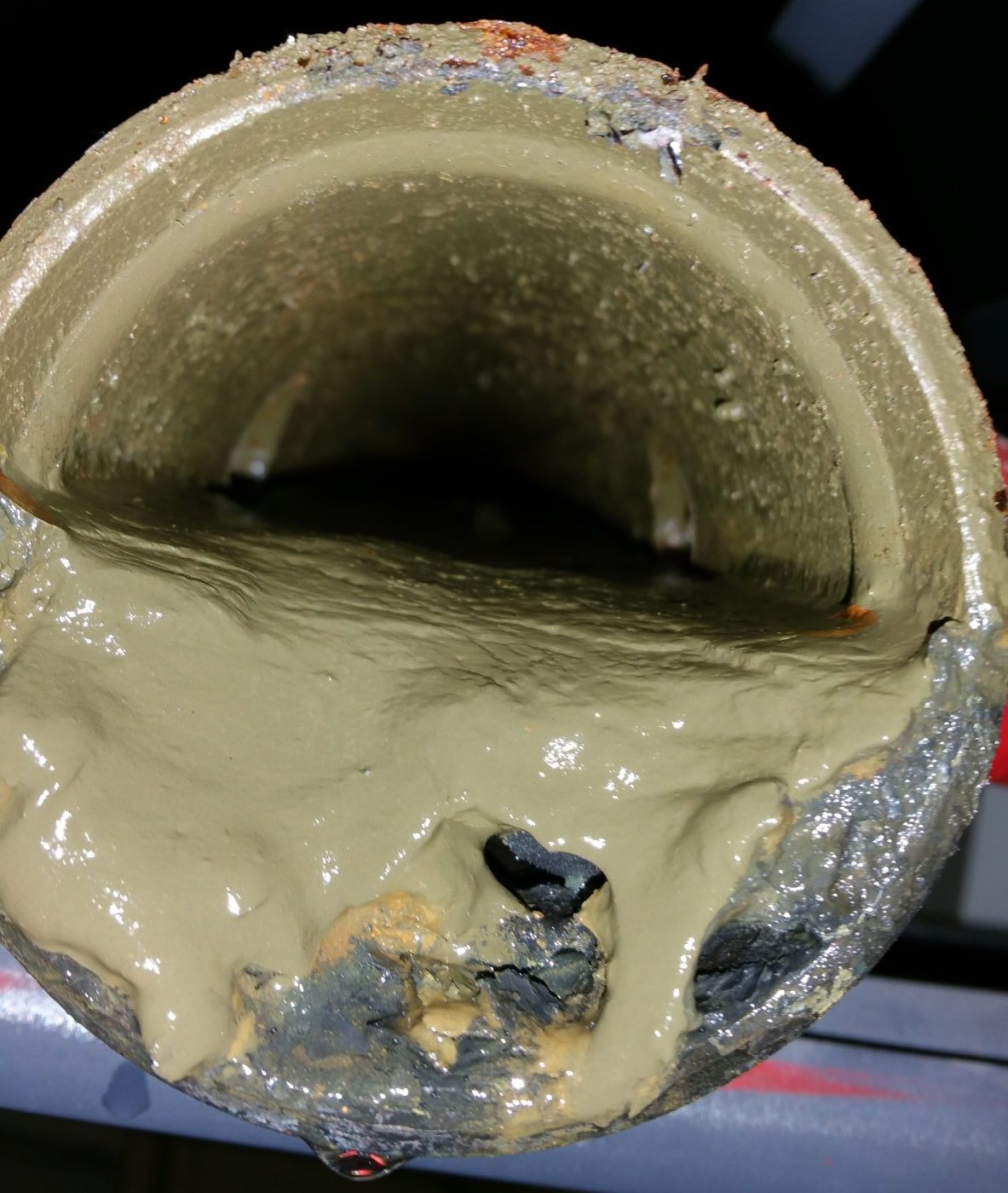
Impacts of Internal Corrosion
Reduced Pipe Wall Thickness
Pinhole Leaks and Failures
Reduced Water Flow and Potentially Complete Blockage
Water Discoloration and Contamination
Increased Maintenance Expenses and Downtime
Compliance Violations (e.g., NFPA 25, ASME)
In any commercial environment, particularly those with mission-critical operations such as hospitals, data centers, and tech manufacturing facilities, internal pipe corrosion can result in catastrophic loss if not detected early.


Conclusion
Understanding the root causes of internal pipe corrosion is essential for asset longevity and risk reduction. Proactive inspection using advanced Ultrasonic Localized Guided Wave (ULGW) enables facility managers and engineers to stay ahead of corrosion-related failures—saving time, money, and ensuring operational continuity.
Click here to learn more about the use of UGLW to noninvasively assess internal piping condition to save money and keep your systems operational.
Please Contact Us to learn more about SoniTech NDT’s capabilities and associated benefits of our non-destructive piping assessments